
There is a particular kind of magic that happens when you seat a science nerd at a dinner table. The wine gets poured, the bread gets passed, and somewhere between the salad course and the main, someone mentions that the bubbles in champagne rise in a straight line because of microscopic imperfections in the glass. Suddenly, the evening transforms.
I have been to enough dinner parties to know the difference between polite conversation and genuine wonder. The weather is polite. Sports scores are polite. But the moment someone leans forward and says, "Did you know that octopuses have three hearts?" — that is when things get interesting.
The Art of Conversational Alchemy
Science nerds do not make good dinner guests because they are smarter than everyone else. They make good dinner guests because they are genuinely fascinated by the world, and fascination is contagious. Richard Feynman once said that he could appreciate the beauty of a flower and understand the science behind it at the same time — and that knowing the science only added to the beauty. That is exactly the kind of energy you want at your table.
Think about it. Most dinner conversations follow predictable grooves. Work complaints. Holiday plans. The latest streaming show everyone is watching. These topics have a ceiling. But ask a science nerd about the Maillard reaction happening on the steak you are eating, or why the sunset through the window is that particular shade of amber, and you have unlocked a conversation with no ceiling at all.
Curiosity Is the Best Seasoning
What makes these conversations work is not the information itself — it is the enthusiasm behind it. A truly great science nerd does not lecture. They share. They light up. They say things like, "Okay, this is going to sound wild, but..." and then proceed to explain something that genuinely is wild, like the fact that there are more possible chess games than atoms in the observable universe.
The best part is that this curiosity is not limited to science. The same person who can explain quantum entanglement will also have opinions about Renaissance art, obscure board games, and why the Oxford comma matters. Science nerds are generalists at heart. They follow questions wherever they lead, which means dinner with them is never a single-topic affair.
A Case for More Nerds at the Table
We live in an age where small talk has been optimized to the point of meaninglessness. Social media gives us the illusion of connection without the substance. But sitting across from someone who can explain why your coffee swirls in a particular pattern, and who genuinely cares about the answer — that is real connection.
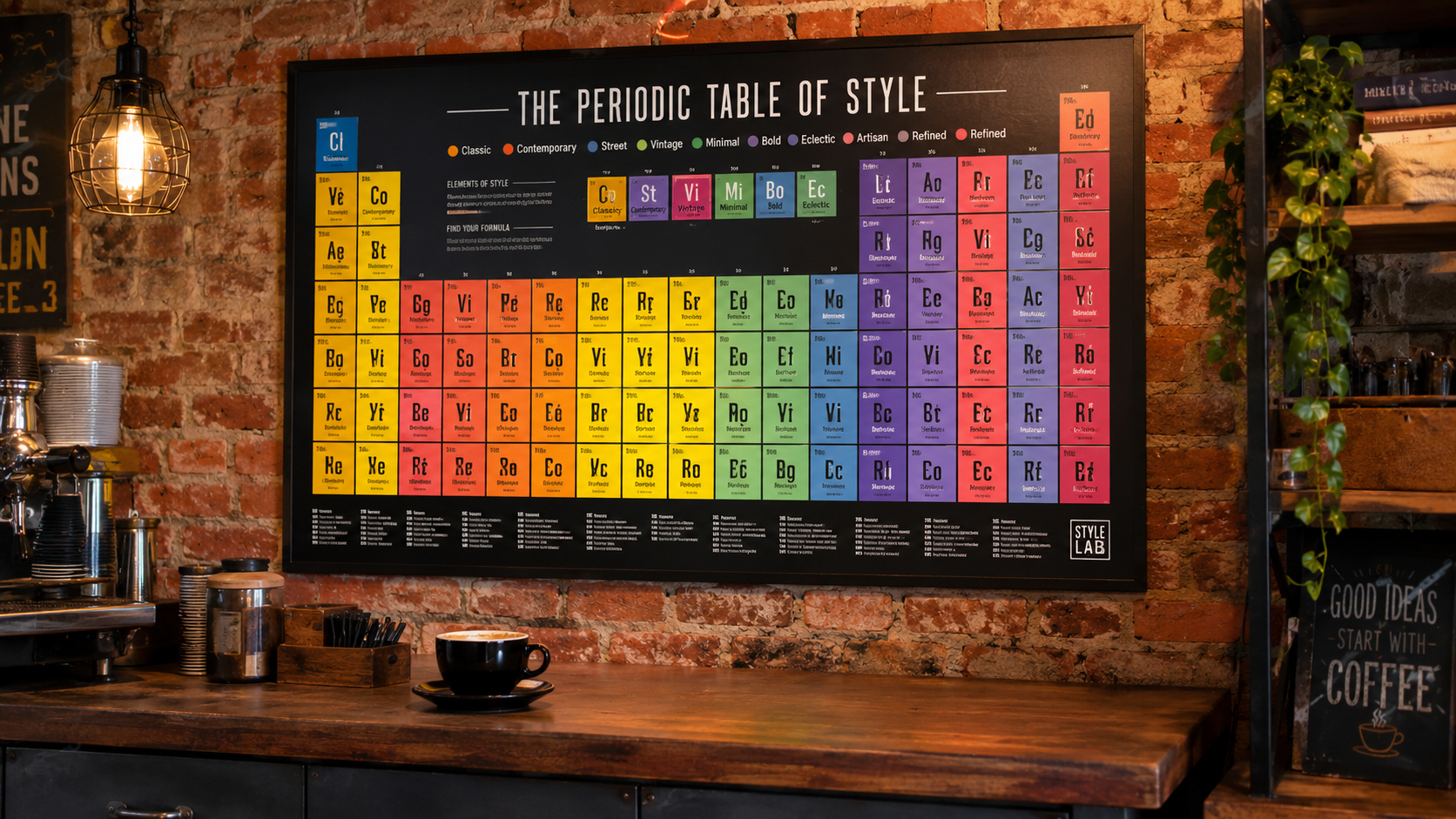
So the next time you are planning a dinner party, skip the seating chart algorithms. Just invite at least one person who has strong feelings about the periodic table. The champagne will taste better, the conversation will last longer, and you might just learn something that changes the way you see your Tuesday morning commute.
After all, the best dinner guests are not the ones who fill the silence. They are the ones who make you forget there was ever silence to fill.