Most people think of mathematics as something that lives in textbooks — a collection of formulas and proofs that you endure in school and then gratefully forget. But mathematics is not hiding in textbooks. It is hiding in everything else. In the spiral of a nautilus shell. In the branching of a river delta. In the way a soap bubble finds the most efficient shape without anyone telling it to.
The concept of mathematical beauty is not new. Mathematicians have been talking about elegance and beauty in proofs for centuries. But you do not need a mathematics degree to see it. You just need to know where to look.
The Geometry of Your Morning
Consider your morning routine. The coffee in your cup forms a parabolic curve when you stir it. The honeycomb pattern in your cereal reflects the hexagonal tiling that bees discovered millions of years before human mathematicians formalized it. The route your GPS calculates uses graph theory and optimization algorithms that would have made Euler weep with joy.
Even the music playing from your speaker follows mathematical rules. The frequencies that sound pleasant together — what musicians call consonance — correspond to simple mathematical ratios. An octave is a 2:1 ratio. A perfect fifth is 3:2. The beauty you hear is, at its foundation, the beauty of numbers.
Patterns That Build the World
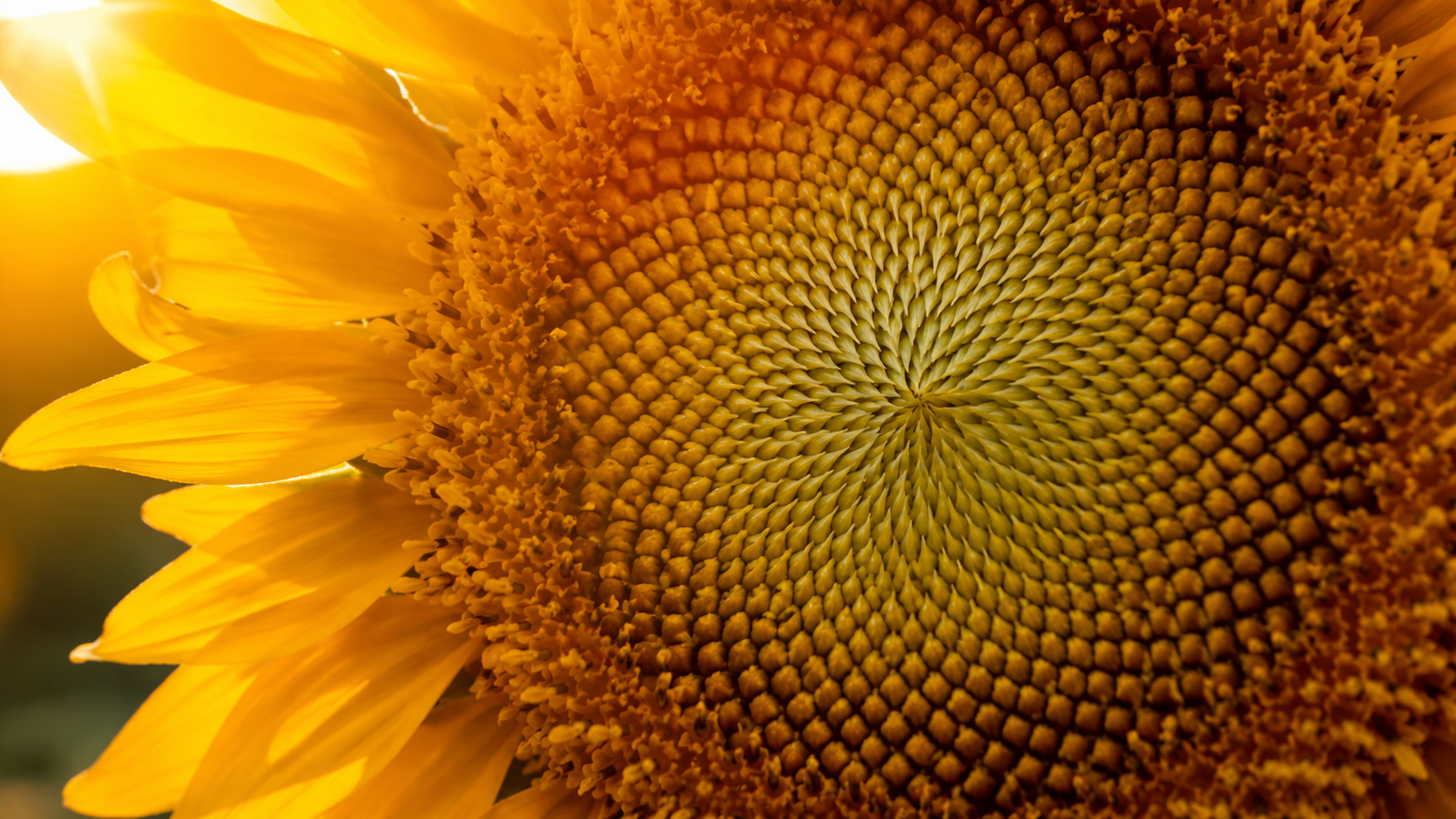
Nature is particularly generous with its mathematical displays. The Fibonacci sequence appears in the arrangement of leaves around a stem, the spirals of a pinecone, and the petals of a daisy. This is not coincidence or mysticism — it is efficiency. These patterns emerge because they are the best solutions to problems of growth and resource distribution that nature has been solving for billions of years.
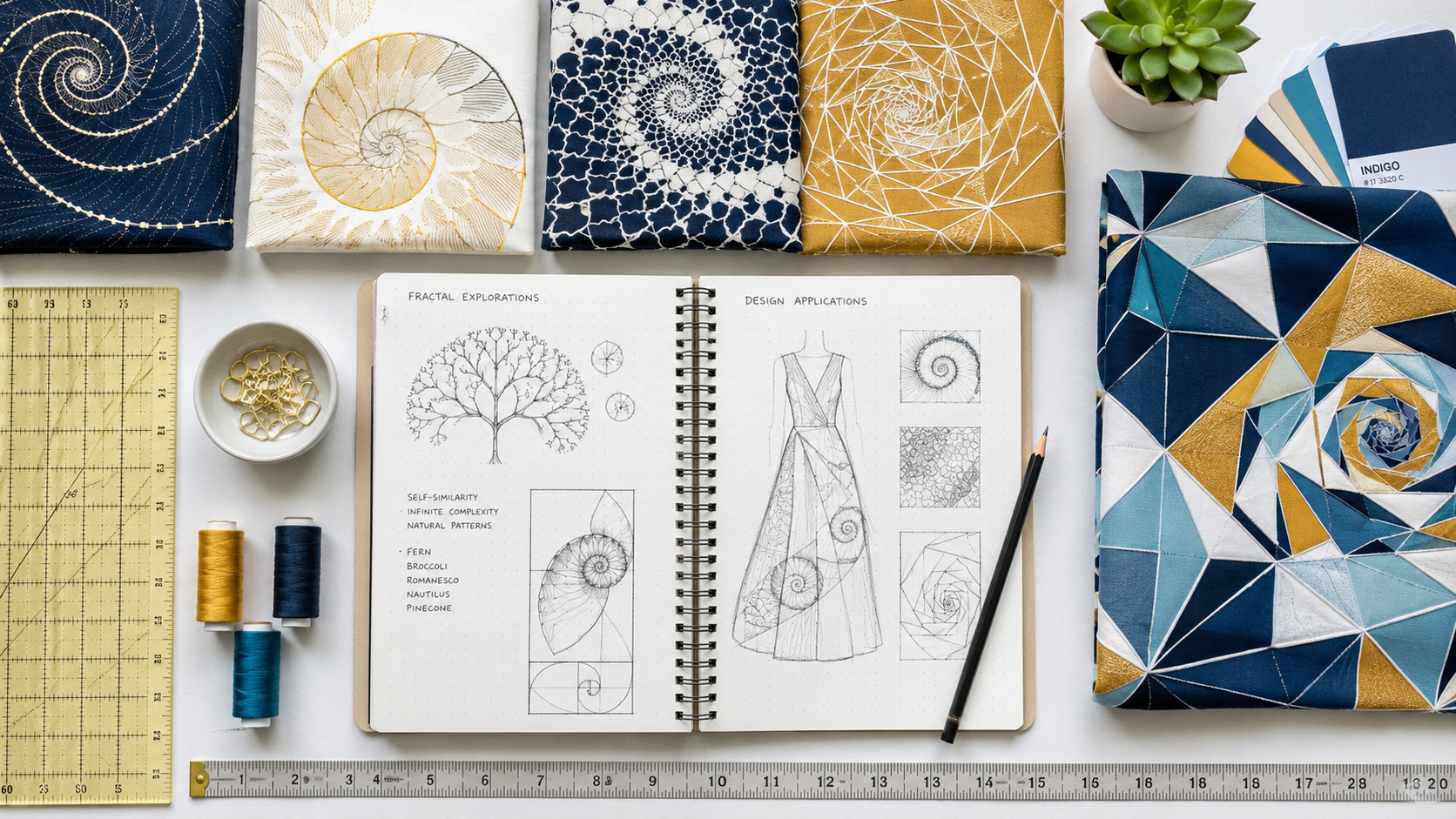
Fractals are another gift from mathematics to the visible world. The branching pattern of a tree looks remarkably similar whether you are examining the trunk and its main branches or a single twig and its offshoots. Coastlines, mountain ranges, and clouds all exhibit this self-similar quality. Benoit Mandelbrot saw it and gave it a name, but the patterns were there all along, waiting for someone curious enough to notice.
Why It Matters
Recognizing mathematical beauty in everyday life is not merely an intellectual exercise. It changes the way you experience the world. A walk through a park becomes richer when you notice the logarithmic spirals in the fern fronds. A visit to a cathedral becomes more awe-inspiring when you understand the geometric principles that allow those soaring arches to stand for centuries.
There is a particular kind of joy in realizing that the same equation governs both the orbit of a planet and the arc of a basketball. It connects the cosmic to the mundane and makes both more interesting.
Learning to See
The mathematician Paul Erdos used to talk about "The Book" — an imaginary volume containing the most elegant proof of every theorem. He believed that mathematical beauty was something real, something worth seeking. You do not need to read The Book to appreciate its spirit. You just need to start looking at the world with a little more attention and a little more wonder.
The patterns are already there. They have always been there. Mathematics is not something humans invented and imposed on the world. It is something the world was doing all along, and we are only just learning to read the language.